Why we exist

Care across Africa doesn't fail for lack of clinicians trying. It fails at the gaps: between what a guideline says and what's practical at 2am with no signal, between one system and the next, between a language a tool was built in and the language a patient actually speaks.
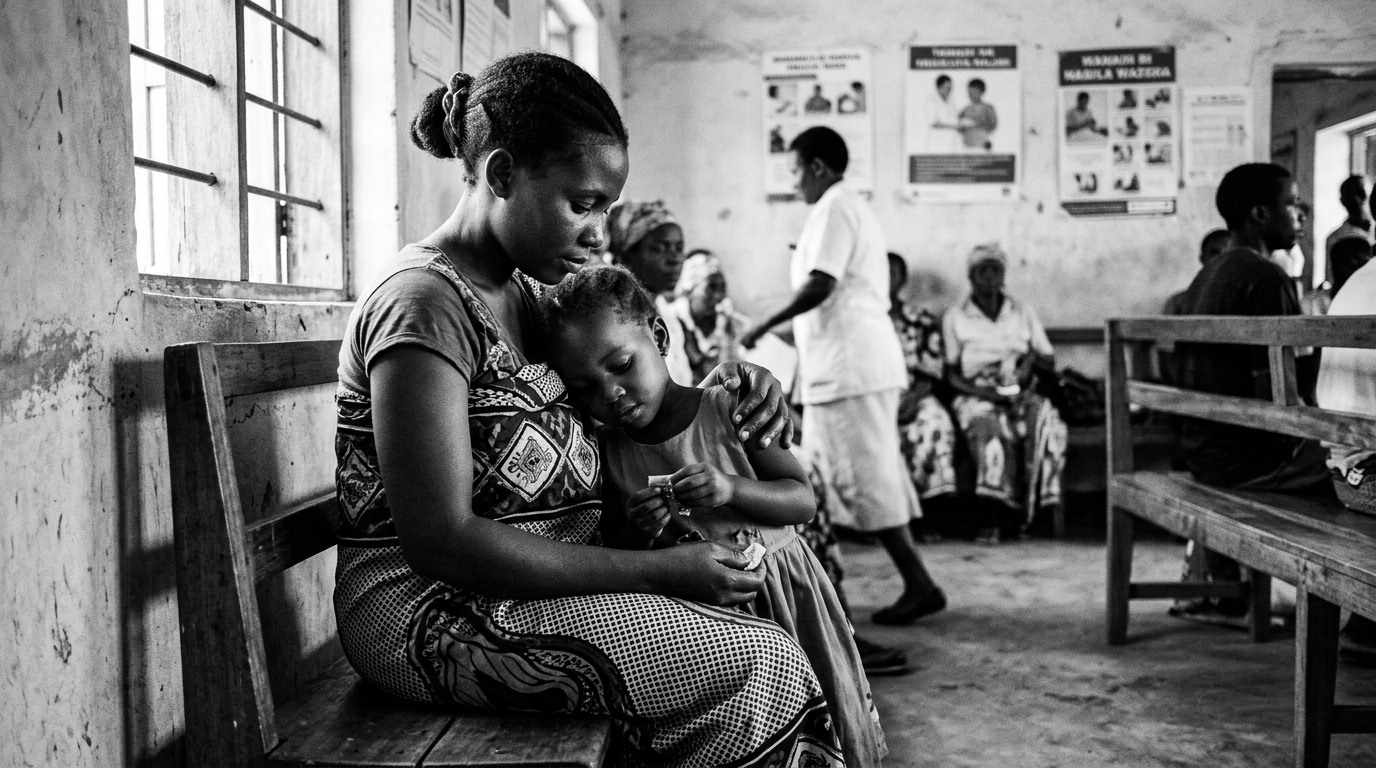
Mother and young child seated together in a clinic consultation room in Tanzania

ClerQ exists to close those gaps, starting from frontline reality in Tanzania to build technology that transforms clinical decision support across the continent.

We started with a question that felt embarrassingly simple: why isn't there a tool that lets a clinical officer in a rural Tanzanian dispensary look up the nationally recommended treatment for a presenting condition, in Swahili, on their phone, without internet? The Standard Treatment Guidelines exist. Clinicians are trained on them. The information is there. It's just not accessible at the point of care, in the moment it's needed.

That question led to ClerQ, and to Lucy, and to every research thread we're currently pursuing. We don't claim to be solving healthcare. We claim to be solving a specific, concrete, measurable access problem, and we're building the technology to do it properly.

How we work

Constraint-led, not capability-led

We don't start from "what can this technology do?" and work backwards to a use case. We start from "what does this clinician need, right now, with what they have?" and build only the technology that answers that. This means we often choose simpler, less impressive approaches that actually work in the field over sophisticated ones that work in a demo.

Transparent about what's done and what isn't

We label our work honestly. Research in progress is labelled as research in progress. We don't present prototypes as finished products, and we don't make claims about clinical outcomes we haven't measured yet. Health technology carries real consequences, and we take that seriously.

Open where it helps

Our research work with Nama Labs, including Sema and Rafiki, is open-source. We share methods, publish findings, and make our code available because the problems we're working on are bigger than any single organisation, and because we believe the best way to build trust in clinical AI is to let people see how it works.

The team

ClerQ is built by a small, focused team that combines clinical expertise, health policy knowledge, regulatory experience, and technical capability. We're based in Tanzania and we work on this full-time.

Emmanuel Chesco

Founder & Lead Architect

Third-year medical student at Muhimbili University of Health and Allied Sciences (MUHAS) and co-founder of Nama Labs. Emmanuel conceived and built ClerQ from firsthand observation of primary care gaps in Tanzania, driving technical architecture, edge clinical reasoning, and overall strategic direction.

Daudi Raphael

Chief of Strategic Partnerships & Clinical Co-Investigator

Joined Emmanuel at the earliest stage sharing the founding vision to build clinical intelligence grounded in local reality. Daudi serves as the core working partner behind ClerQ's clinical accuracy and guideline verification, bridging engineering with clinical practice and leading strategic health sector partnerships.

Godson Madeha

Chief of Policy & Regulations

Navigates the regulatory landscape for health technology in Tanzania. Godson ensures ClerQ operates within existing national health policy frameworks and maintains relationships with regulatory bodies that a clinical AI tool needs to operate responsibly.

Mikael Nsengi

Chief Safety & Compliance Officer

Owns patient safety, data protection, and compliance across everything ClerQ builds. In a domain where AI errors can directly affect patient outcomes, Mikael ensures safety isn't an afterthought bolted onto the product, but a hard engineering constraint baked into every design decision from the start.

Tunu Kassim

Chief Financial & Marketing Officer

Manages ClerQ's financial operations and market positioning. Tunu translates the technical work into clear value for funders, health administrators, and institutional partners while ensuring the company's financial sustainability and disciplined growth.

Research partner: Nama Labs

Sema and Rafiki (the two core research projects that underpin ClerQ's technical capabilities) are built in close collaboration with Nama Labs, the research studio co-founded by Emmanuel Chesco. This partnership unites ClerQ's deep domain focus on Tanzanian clinical workflows with Nama Labs' research in NLP architectures and edge AI systems.

The collaboration is structured around shared goals: build technology that works under real constraints, publish openly, and prioritise clinical utility over academic novelty.

Nama Labs on LinkedIn